Continuing last month’s exploration of high sites across the country, both well known and less well known, that reflect the profound impact…
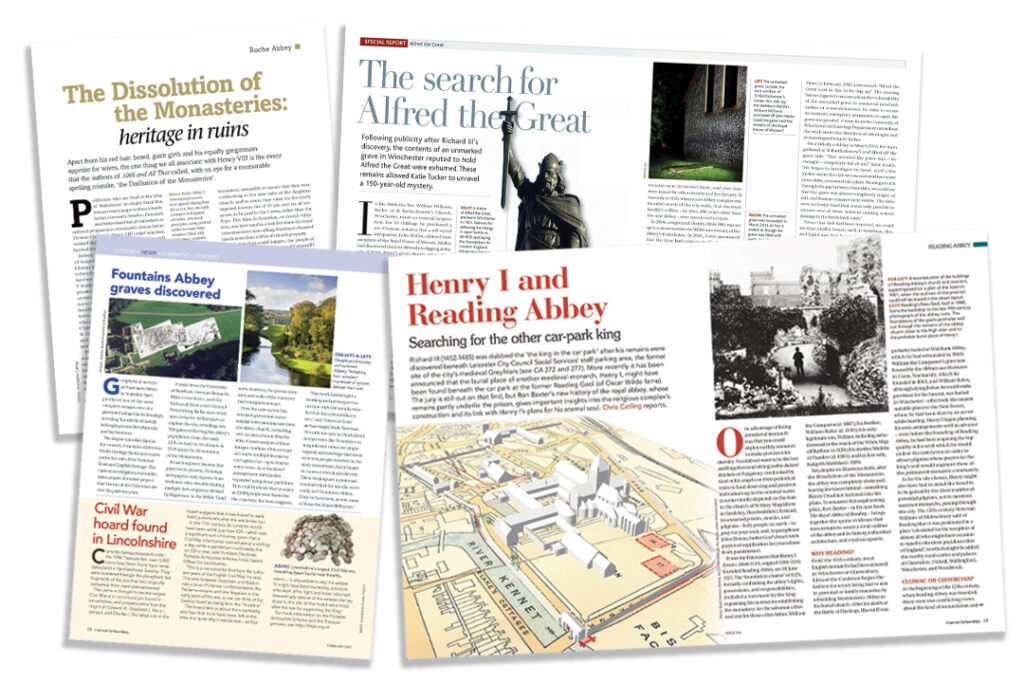

Continuing last month’s exploration of high sites across the country, both well known and less well known, that reflect the profound impact…
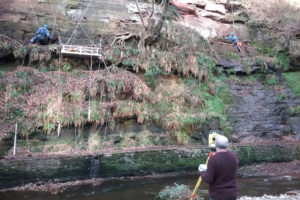
In the depths of a Cumbrian wood, intrepid archaeologists have been abseiling down the wall of a Roman quarry to document eroding…

In this final column exploring the stories behind Current Archaeology cover images, I am bringing things right up to date by examining…
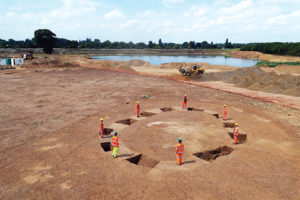
Four years of excavations at a 5,500-year-old causewayed enclosure have shed vivid light on a Berkshire monument and the landscape’s early Neolithic…
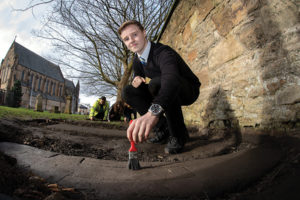
Three long-lost gravestones belonging to one of the most significant collections of Viking Age sculpture in Britain and Ireland have been found…
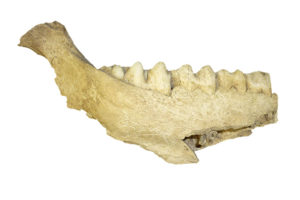
Previous isotopic analysis of animal remains from Durrington Walls, a large henge enclosure 3km northeast of Stonehenge, demonstrated that both cattle and…
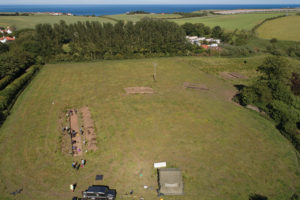
A lost monastery founded by an Anglo-Saxon princess may have been rediscovered, potentially bringing an end to a search that has gone…
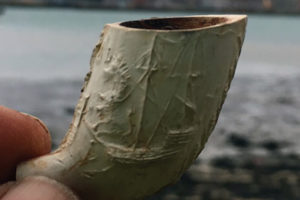
In Current Archaeology 339, we reported the discovery of a number of human skeletons on the ominously named ‘Rat Island’ in Gosport,…
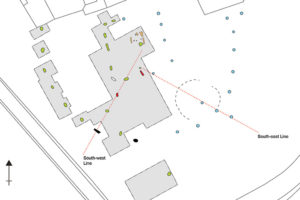
A team from the universities of Leicester and Southampton recently re-examined previous Avebury excavations and conducted new surveying of the site (in…
The study of isotopes – chemical signatures preserved in our bones and teeth that shed light on diet and movements during life…
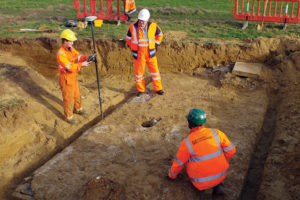
An unusual underground Monitoring Post (UGMP), used during the Cold War, has been revealed during an excavation by Wessex Archaeology near Wokingham.…