Examining a new addition to the Hadrian’s Wall ‘souvenir’ vessels Over the last 300 years, a handful of enamelled bronze vessels, most…
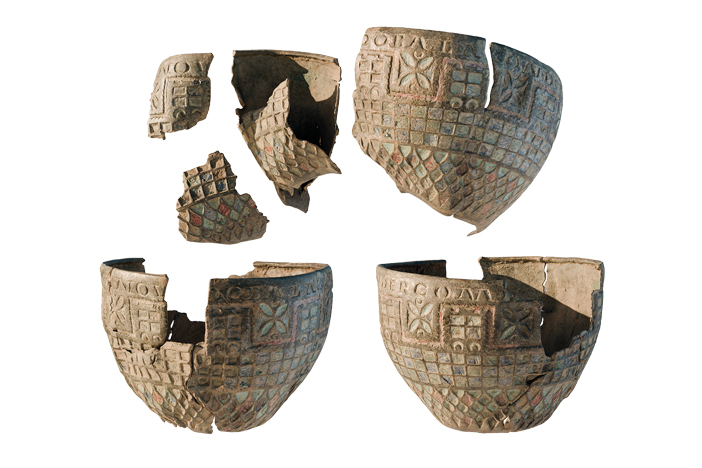

Examining a new addition to the Hadrian’s Wall ‘souvenir’ vessels Over the last 300 years, a handful of enamelled bronze vessels, most…

Following on from last month’s issue, I explore here some more of my favourite covers from issues 201-300 of Current Archaeology, covering…
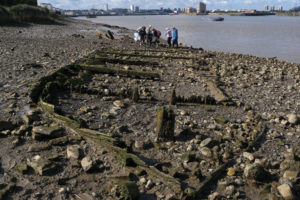
The Thames Discovery Programme – whose volunteers record the archaeology of the Thames foreshore – has recently celebrated its tenth birthday. Eliott…
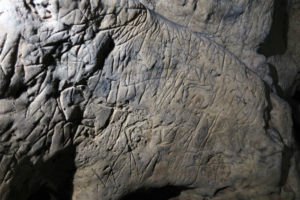
The largest concentration of apotropaic graffiti, or ‘witch marks’, in the UK has been identified in the caves at Creswell Crags, a…
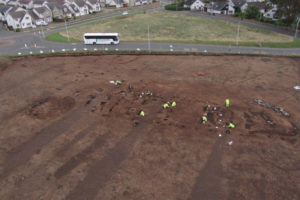
Two Neolithic halls have been identified within a previously unsuspected prehistoric landscape, thanks to new dating analysis following extensive excavations in Carnoustie,…
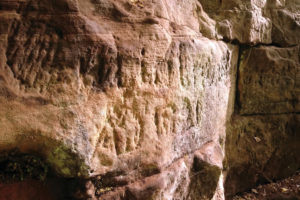
Rare examples of graffiti, made by the Roman army while they were repairing and rebuilding Hadrian’s Wall, have been recorded in a…
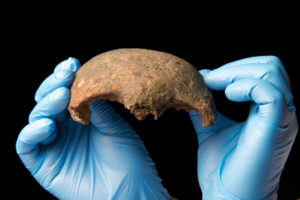
The oldest human cranium fragment ever mudlarked from the Thames (found on its foreshore) has been identified as Neolithic. The cranium was…
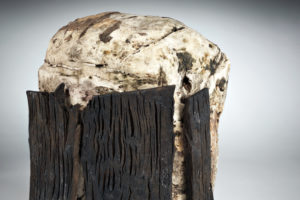
A study recently published in Scientific Reports, examining examples from across Ireland of what is known as bog butter – waxy deposits…
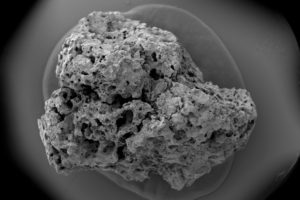
Recent news from post-excavation analysis of the excavations for the A14 Cambridge-to- Huntingdon improvement scheme (see CA 339), which recently won the…
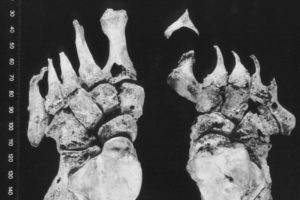
New research into the origins of leprosy in Ireland has revealed connections with the Viking world. A team from Queen’s University Belfast,…
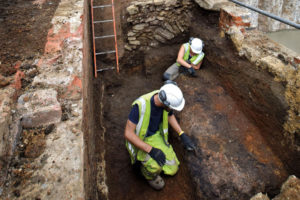
Excavations in the historic heart of Oxford have shed light on the city’s origins and development – including uncovering some of its…