Rescue archaeology is carried out in areas threatened by human or natural agency. We’ve collated some of the best rescue projects that have been highlighted in Current Archaeology over the past year. Below are the nominees for Rescue Project of the Year.
Voting is now open, and all the winners of the Current Archaeology Awards will be announced on 28 February 2026 as part of Current Archaeology Live! 2026. Click here to find out more about the event.

Under the infirmary: revealing the secrets of medieval Berwick

Cura Terrae, CA 419
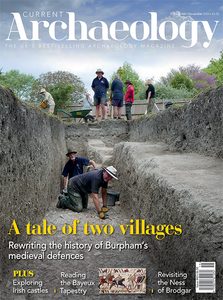
Archaeological work carried out ahead of the construction of a new hospital has revealed significant new evidence of Berwick’s medieval defences, enhancing our understanding of this border town’s martial past.
The basilica in the basement: rediscovering the heart of Roman London

MOLA, CA 422
Excavation in central London has revealed traces of the city’s first Roman basilica, where officials presided over the settlement’s legal, commercial, and administrative affairs c.2,000 years ago.
The Melsonby Hoard: exploring unprecedented insights into Iron Age Yorkshire

Durham University/British Museum/Historic England, CA 423
Highlighting how ‘best practice’ and interdisciplinary cooperation can enhance understanding, this huge hoard was swiftly reported by its finder, allowing full excavation and the preservation of details of its burial context.
Fields and farmsteads: organising the early Roman frontier region in South Yorkshire

Archaeological Research Services, CA 424
Excavations of an Iron Age landscape that transformed into carefully planned field systems and farmsteads in the early Roman period raises intriguing questions about indigenous innovation versus imperial land-grab.
From warship to whaler: solving the mystery of a Sanday shipwreck

Wessex Archaeology/Sanday Heritage Group/Orkney Archaeology Society/Historic Environment Scotland, CA 426
When a shipwreck was exposed after storms on an Orkney beach, prompt and careful recovery, combined with archaeological detectivework with a strong community aspect, has enabled its story to be told and its identity to be revealed.
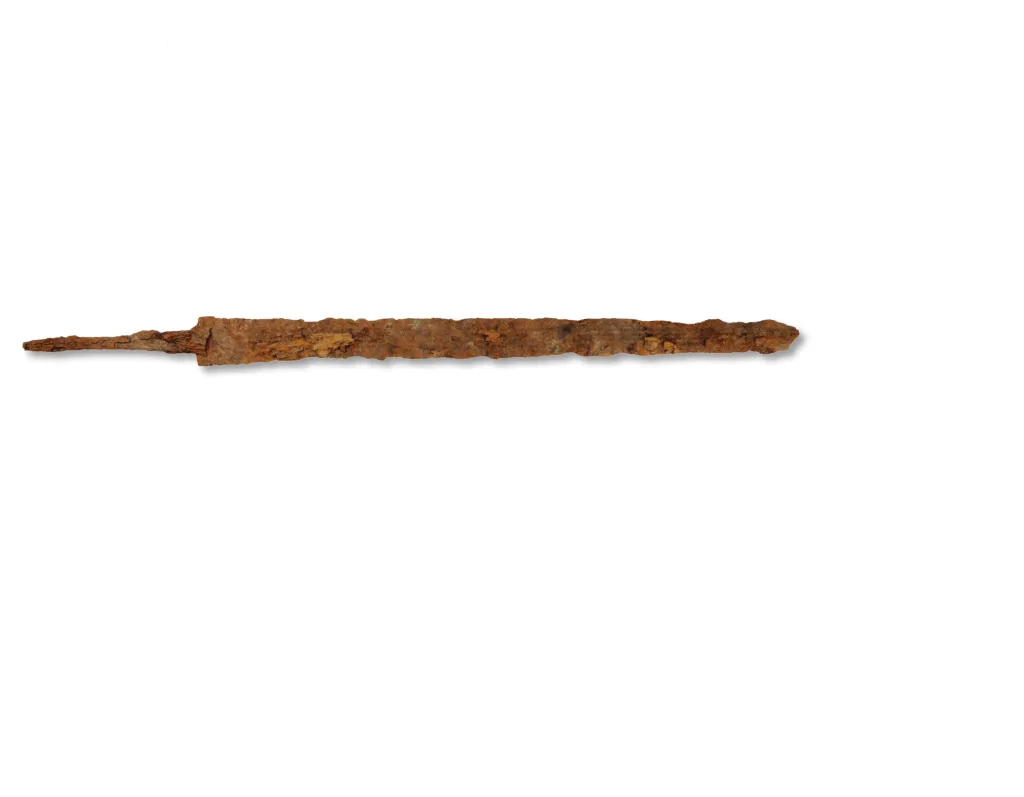
Straight to the point: investigating Roman swords and extensive settlements in the Cotswolds
Cotswold Archaeology/Historic England, CA 426
Following the discovery of two Roman cavalry swords during a metal-detecting rally, wider excavations uncovered an extensive Iron Age settlement, a possible high-status Roman building, and clues to why the blades had been buried.
Little End: tracing the archaeology and social history of a long-vanished community
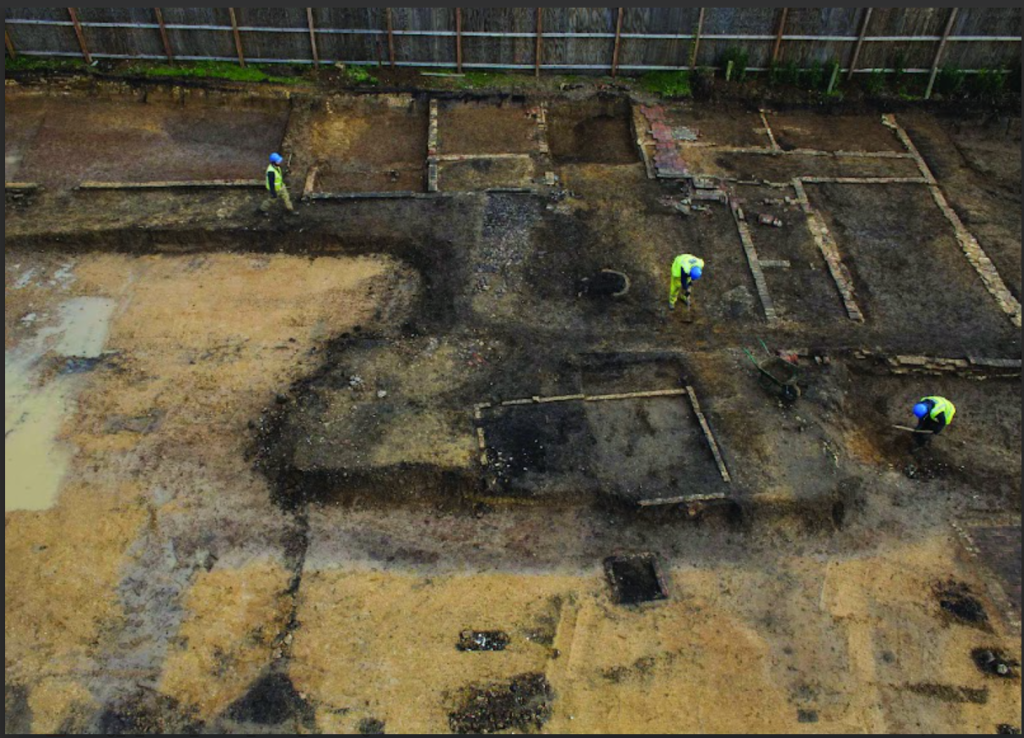
Pre-Construct Archaeology, CA 427
Excavations near Eaton Socon revealed a row of 19th-century labourers’ cottages which, combined with detailed research, have illuminated the experiences of the working-class inhabitants who once lived there.
The people of St Peter’s: encountering a community from 19th-century Blackburn
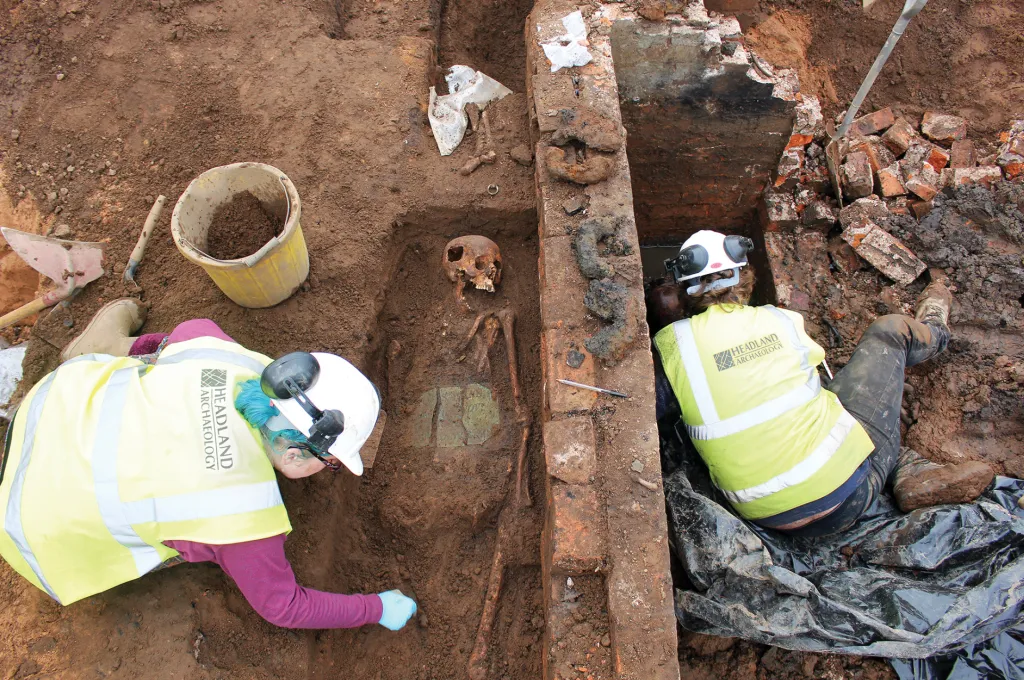
Headland Archaeology, CA 428
One of the largest cemetery excavations of its type outside London has recovered the remains of almost 2,000 men, women, and children, with scientific and historical research shedding light on their lives and identities.