Life on the edge of Empire What was the impact of Rome’s numerous attempts to conquer Scotland? A new exhibition in Edinburgh…
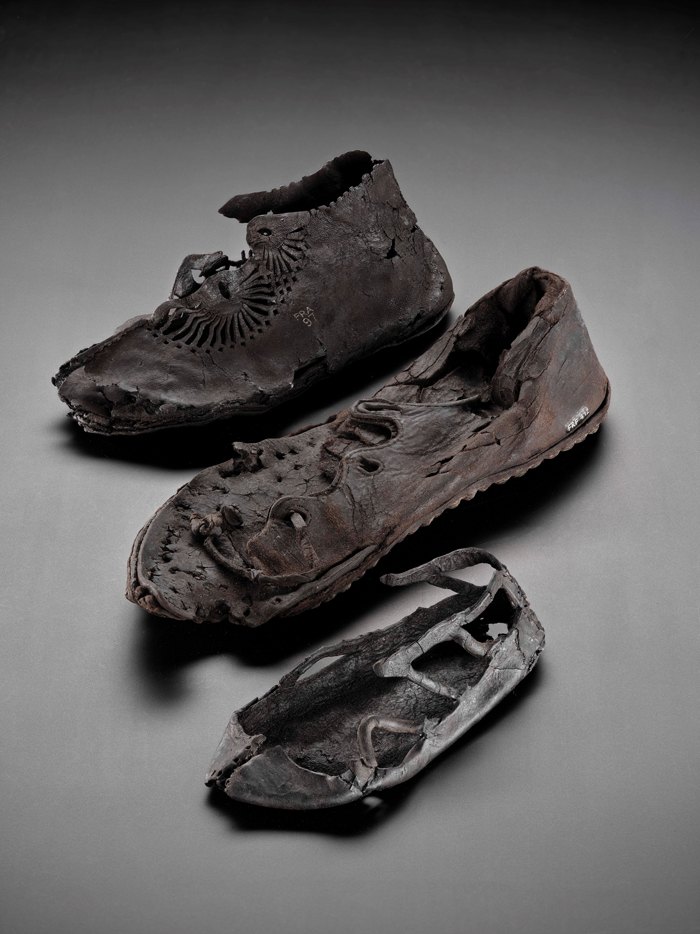

Life on the edge of Empire What was the impact of Rome’s numerous attempts to conquer Scotland? A new exhibition in Edinburgh…

Prehistoric forests, the skull of a child, the slipway of a Victorian engineering masterpiece and part of a Tudor palace jetty: all…

At Howburn Farm in South Lanarkshire, a scattering of flints, discovered by the Biggar Archaeology Group, turned out to be evidence of…
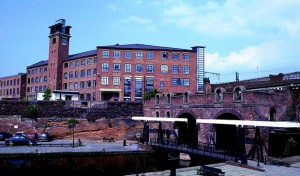
By 1850, Manchester had a population of 300,000, and most of its 172 textile mills had already been built. Cotton goods were…

Current Archaeology is pleased to announce the winners of their 2010 awards, presented 27 February 2010, at the British Museum as part…

A routine investigation ahead of gravel quarrying has turned up some exciting results: has the ‘support centre’ for the elite Anglo-Saxon settlement…

Listening to the tales told by his blacksmith grandfather in the semi-darkness of his fire-lit forge, Alan Garner absorbed the Cheshire folklore…

Last year in Cardiff, we launched the Current Archaeology Awards to resounding success. We’re excited to open this year’s competition and…

We still live in the Ice Age that began around 2.5 million years ago. Our present time is an ‘interglacial’: a relatively…

The Bamburgh Research Project is picking up the pieces of the archaeological work started by legendary eccentric Dr Brian Hope-Taylor, who had…

Landmark excavations at St Albans in 1955-1961 transformed ideas about Late Roman towns. Excavator Sheppard Frere claimed that urban life continued well…